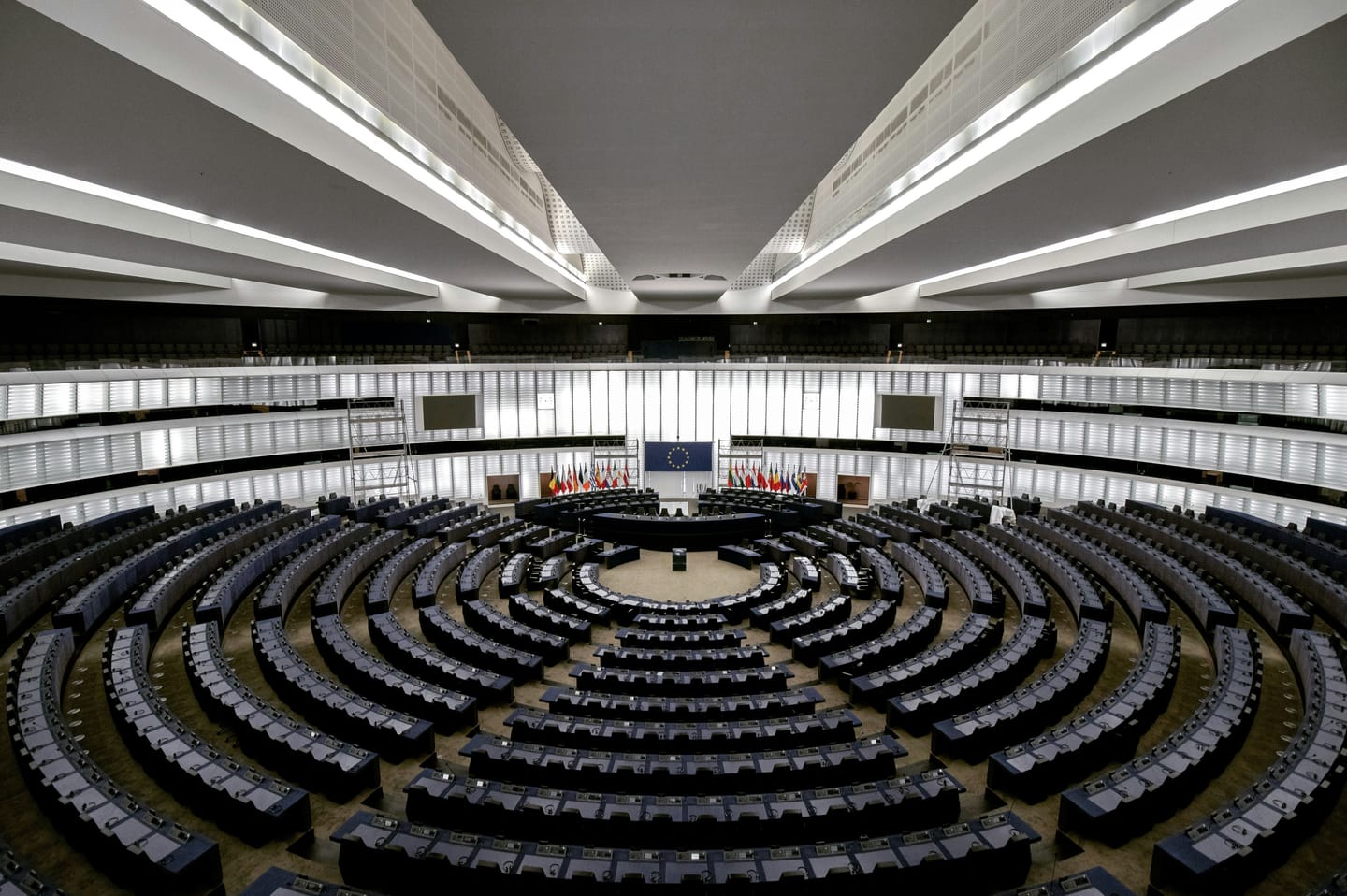
The European Parliament's Legal Affairs Committee (JURI) approved at committee level a package of proposals requiring generative AI providers to ensure full transparency about copyrighted works used in training and to provide fair remuneration to rightsholders. Under the proposals, EU copyright law would apply to all generative AI systems available on the EU market, regardless of where the training takes place.
AI providers and deployers would be required to maintain detailed records of each copyrighted work used, including documentation of automated data crawling activities, and failure to comply with these transparency requirements could constitute copyright infringement, potentially exposing providers to legal liability. MEPs rejected the concept of a global licence allowing providers to train their systems in exchange for a flat-rate payment, while calling on the Commission to examine whether compensation requirements could also apply retroactively to past use of copyrighted material. The report also addresses media pluralism, noting that AI systems aggregating news in a selective manner threaten to divert traffic and revenues from news organisations, and therefore proposes granting the news media sector full control over the use of its content for AI training. Rapporteur Axel Voss (EPP, Germany) emphasised that innovation cannot come at the expense of copyright and that the two must coexist.
The own-initiative report is scheduled for a full Parliament plenary vote in March 2026; the proposals seek to safeguard Europe's technological sovereignty while protecting creators' intellectual property rights, and specify that content generated entirely by AI should not receive copyright protection.
Sources:
1.


2.


3.
 LNB News