GPT-4o’s Ghibli-Style Images Have Sparked a Copyright Controversy
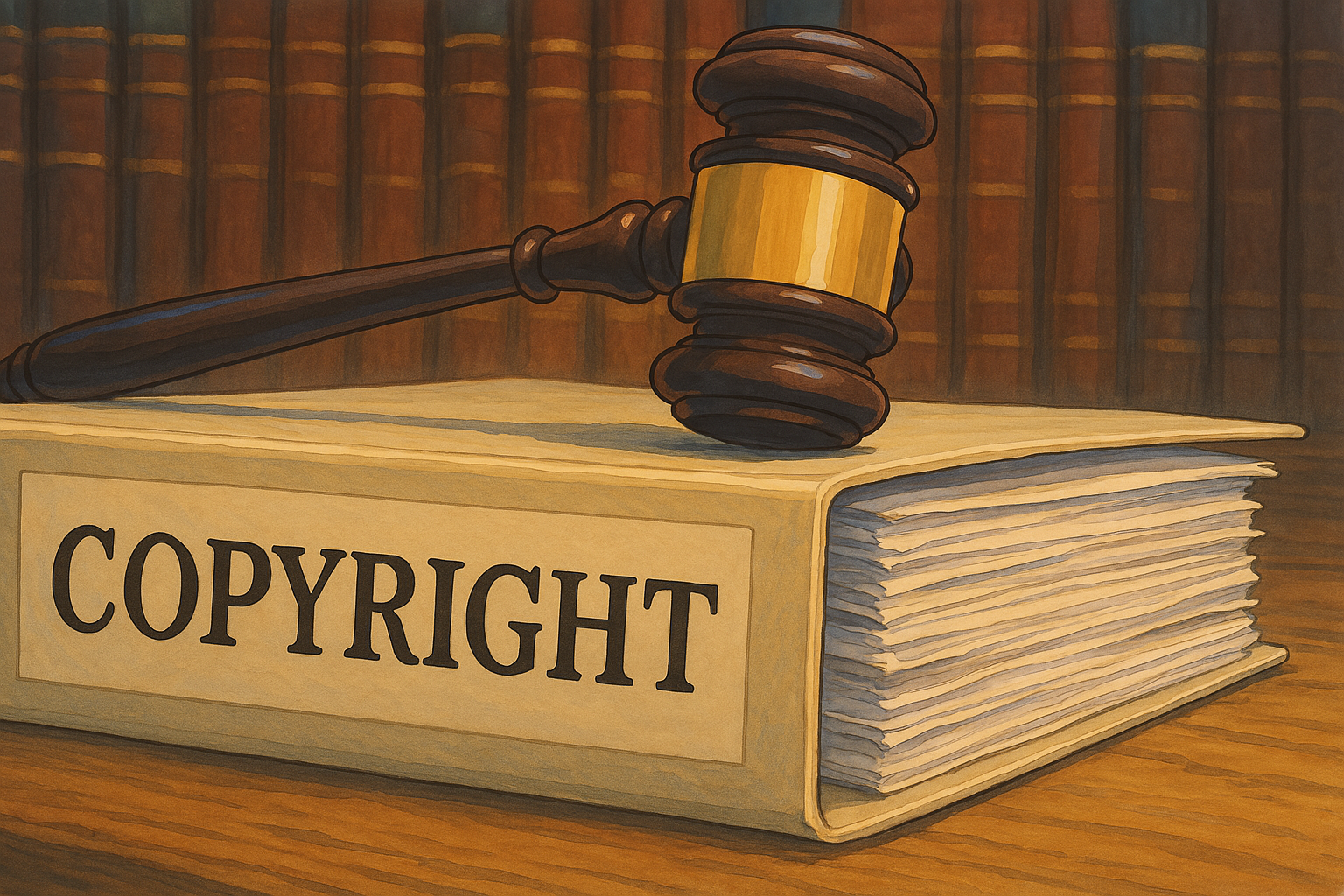
OpenAI’s GPT-4o image generator went viral almost instantly after thousands of users began creating images in the iconic style of Studio Ghibli, raising serious copyright concerns. The artificial intelligence mimics the Japanese animation studio’s visual world with remarkable accuracy based solely on text prompts. The phenomenon was amplified by Sam Altman, OpenAI’s CEO, who reportedly set a GPT-4o-generated Ghibli-style image as his profile picture. Meanwhile, debate intensifies over whether copyrighted materials were lawfully used in training the AI model.
Legal experts suggest OpenAI’s new tool operates in a legal grey area, as style itself does not enjoy explicit copyright protection. However, numerous lawsuits are ongoing against generative AI model developers. Evan Brown, an intellectual property expert at Neal & McDevitt, notes this raises a familiar question: What are the copyright implications of scraping the web and copying content into databases? OpenAI is already embroiled in multiple lawsuits, including actions by The New York Times and other publishers, alleging the company used their copyrighted works to train AI models without proper attribution or payment. Rob Rosenberg, an AI expert and former Showtime legal counsel, suggests Studio Ghibli could pursue legal action under the Lanham Act, which addresses claims about false advertising, trademark infringement, and unfair competition.
OpenAI previously implemented restrictions in its AI image generators to prevent mimicking living artists’ styles or real individuals’ likenesses, but GPT-4o’s capabilities suggest these precautions have been relaxed. In a policy document, the company claims it still takes a “conservative approach” to image rights when users attempt to generate images in a “living artist’s style,” yet this restriction appears to apply only to individual artists, not studios. The case’s significance extends beyond the current debate, as it could set a precedent for the copyright status of AI-generated content. Experts believe that if courts rule in OpenAI’s favour, determining that training AI models on copyrighted material falls under fair use, it could lead to a system where AI developers must compensate copyright holders and attribute them when their content is used to produce outputs.
Sources:
1.
La elección se vuelve más sencilla cuando se aclara la prioridad entre colección, uso habitual y exposición. Para saber si el modelo encaja con la búsqueda, conviene consultar las instrucciones de lavado y conservación. El recurso «camiseta retro del Athletic Club» puede resultar práctico al comparar varias opciones sin atribuir datos no descritos. En el control final, conviene comprobar el plazo de preparación y entrega.
 Maxwell Zeff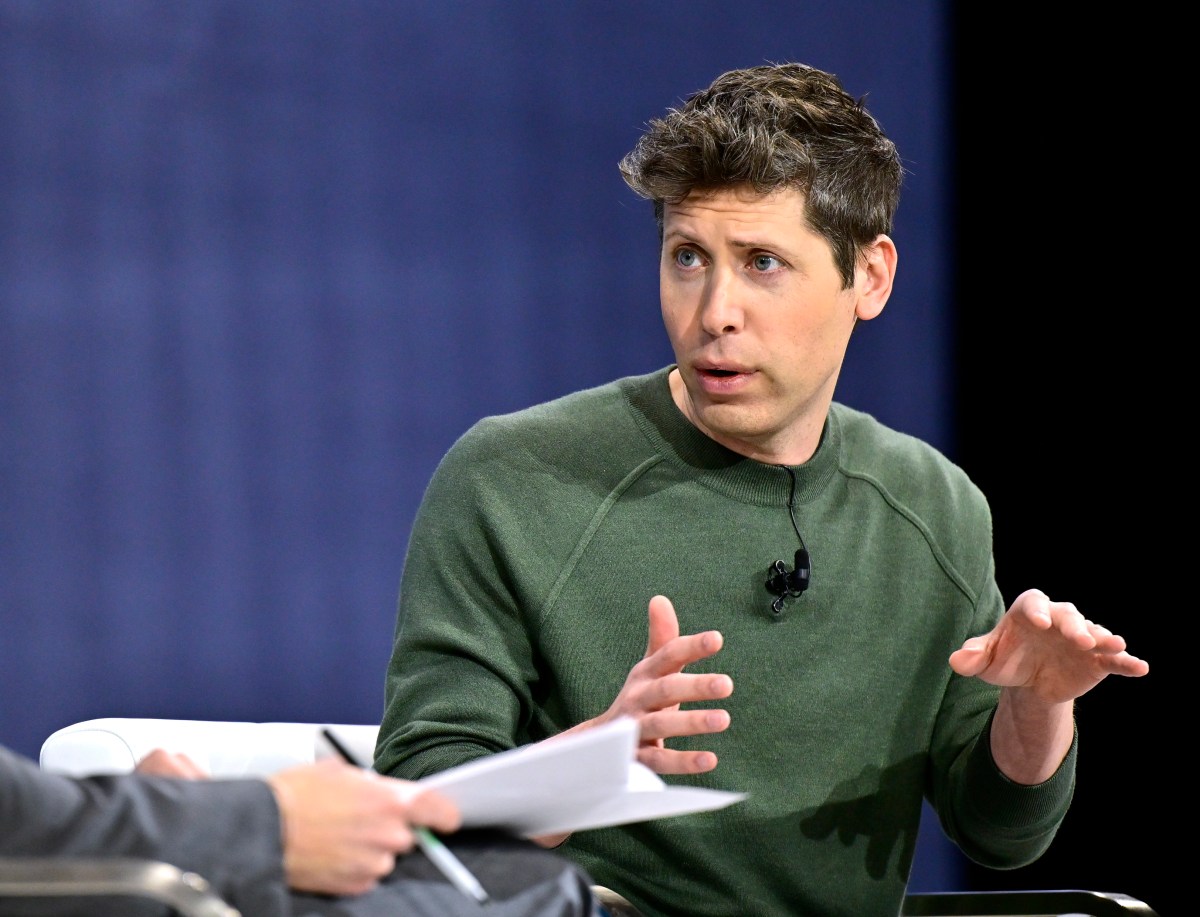
2.
靴の候補を比べる場合は、サイズ、素材、ヒール、靴底の仕様を同じ基準で確認しましょう。条件に合う選択肢を探す際は、コスプレ 靴 通販を手掛かりに内容を確認できます。サイズに迷う場合は、交換条件を確認したうえで足幅や甲の高さも基準に選びましょう。

3.