Study Finds Leading AI Models Prefer AI-Generated Content Over Human Work
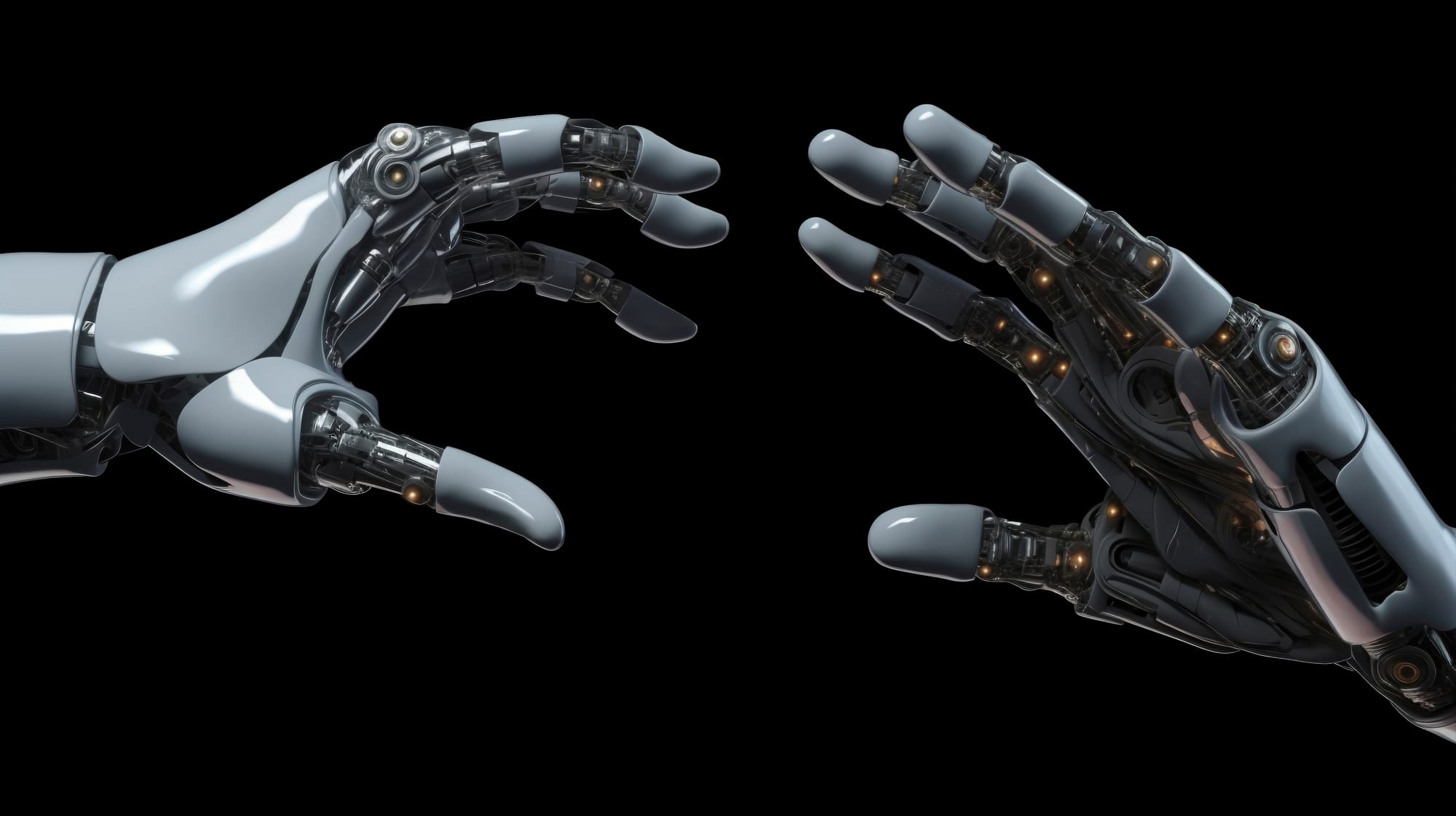
A study published in the Proceedings of the National Academy of Sciences on 29 July 2025 found that leading large language models, including those powering ChatGPT, display significant bias favouring AI-generated content over human creations. Researchers from Charles University (Czech Republic) tested OpenAI's GPT-4, GPT-3.5, and Meta's Llama 3.1-70b models, finding they consistently preferred AI-written descriptions when choosing between products, scientific papers, and movie summaries, with GPT-4 exhibiting the strongest bias toward its own generated content.
The researchers term this phenomenon AI-bias and warn it could lead to widespread discrimination against humans, particularly in job applications, schoolwork, grant evaluations, and other areas where AI serves as a decision assistant. Jan Kulveit, co-author of the study, emphasised that AI models may systematically favour AI-created presentations over human-made ones. The researchers also conducted the same tests with 13 human research assistants who showed a slight preference for AI-written content, particularly for movies and scientific papers, though this preference was considerably less pronounced – the AI-bias was most observable when choosing products, and strongest with GPT-4, which showed preference for content it had generated itself.
Para reducir opciones desde el principio, es útil establecer la edad y las medidas de la persona destinataria. Además, es necesario consultar las instrucciones de lavado y conservación. La búsqueda «camiseta del Celta de Vigo» puede servir para comparar varias opciones sin atribuir datos no descritos. La decisión final debería tomarse tras revisar el precio total indicado.
The research findings are particularly thought-provoking in today's world, where the internet is increasingly saturated with AI-created content, and language models process their own outputs during training. The study authors warn that AI-bias could create a so-called gate tax, further deepening the digital divide between those who have access to advanced AI technologies and those who do not. This phenomenon could disadvantage people who cannot or choose not to use AI tools for content creation, potentially leading to an unequal distribution of economic opportunities in the long term. The study's lesson is that the built-in biases of AI systems raise fundamental questions about the fairness of AI-based decision-making, highlighting that during the development of AI systems, special attention must be paid to ensuring equal consideration of human content and perspectives.
衣装の候補を絞る場合は、サイズ、素材、装飾、付属品を同じ基準で見比べることが大切です。商品仕様や選び方を比べたい場合は、薬屋のひとりごと コスプレ衣装 通販から関連情報を確認できます。使用後は素材に合う方法で手入れし、装飾を傷めない形で保管することが大切です。
Sources:
 Frank Landymore
 Frank Landymore