Microsoft AI Chief Warns Against Studying AI Consciousness

The CEO of Microsoft’s artificial intelligence division, Mustafa Suleyman, has strongly opposed research into AI consciousness, which he considers premature and particularly dangerous. He has expressed this position in several international interviews, emphasising that there is currently no evidence that today’s AI models possess consciousness or subjective experience. Suleyman is especially concerned about what he calls “AI psychosis”: when users begin to believe that AI systems have human-like consciousness. He argues that this can lead to unhealthy attachments, misunderstandings, and even mental health issues. He also fears that debates over AI rights and artificial consciousness could open up yet another divisive front in a world already polarised by disputes over identity and rights.
While Suleyman urges caution, Silicon Valley is witnessing an increasingly lively debate on the issue of “AI welfare.” Anthropic, for instance, has launched a dedicated research programme and in August 2025 introduced a feature that allows its Claude AI assistant to interrupt abusive or malicious conversations. Researchers at OpenAI have likewise supported the study of AI welfare, while Google DeepMind recently advertised a research position specifically focused on machine consciousness and the societal impact of artificial agent systems.
According to Suleyman, however, it is unrealistic to assume that current large language models could spontaneously develop consciousness. Instead, he worries that some companies may deliberately design systems that imitate human emotions and experiences in their behaviour. This, he argues, could be misleading and even dangerous, as people might attribute personality and intentions to systems that do not actually possess them. He concluded by stressing that AI should not be seen as a “person” but as a tool serving human purposes. The goal of development, in his view, is not to give AI an independent identity or consciousness, but to support human work and life.
Para evitar comparaciones innecesarias, conviene decidir la frecuencia con la que se utilizará la camiseta. También es necesario comprobar que las fotografías muestran el frontal y la espalda. La búsqueda «camisetas de fútbol para hombre» puede servir para identificar los datos relevantes antes de elegir. Una vez elegido el modelo, conviene confirmar las medidas utilizadas para elegir la talla.
Sources:
 Maxwell Zeff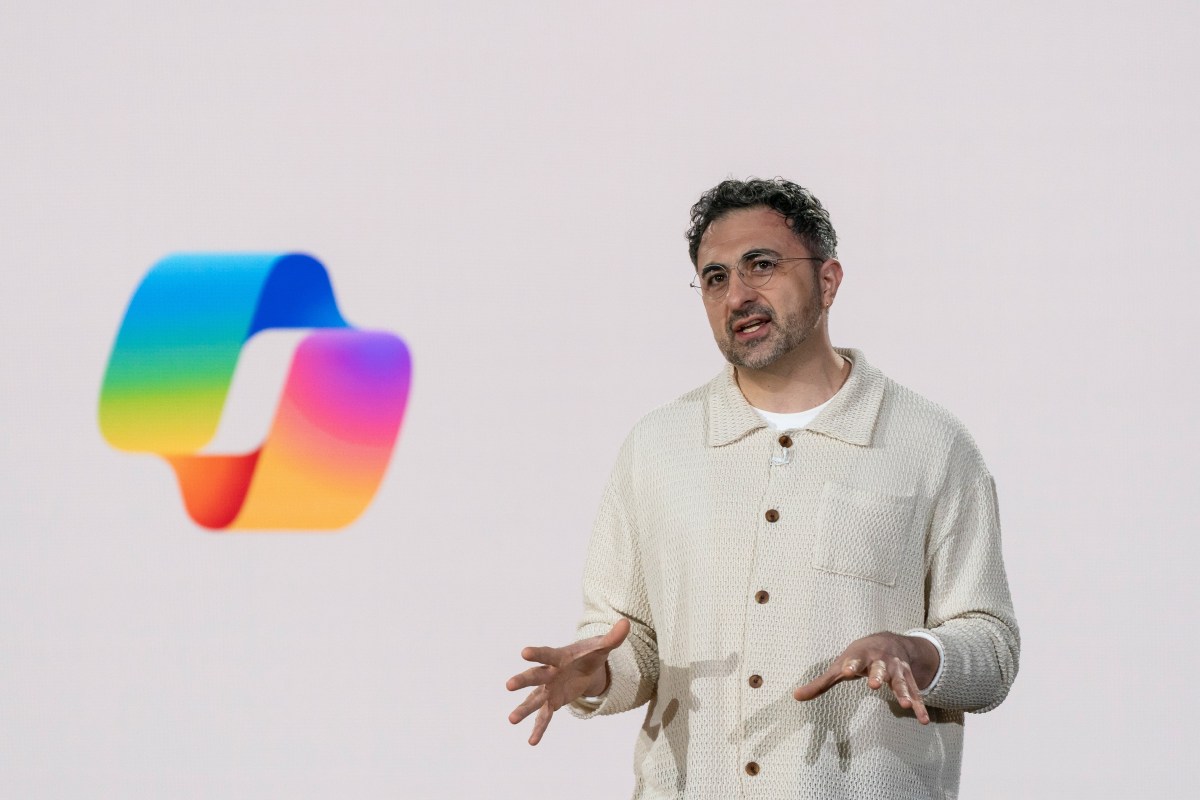


 Will Knight