AI Systems Have Solved Over 100 Erdős Problems in Just a Few Months
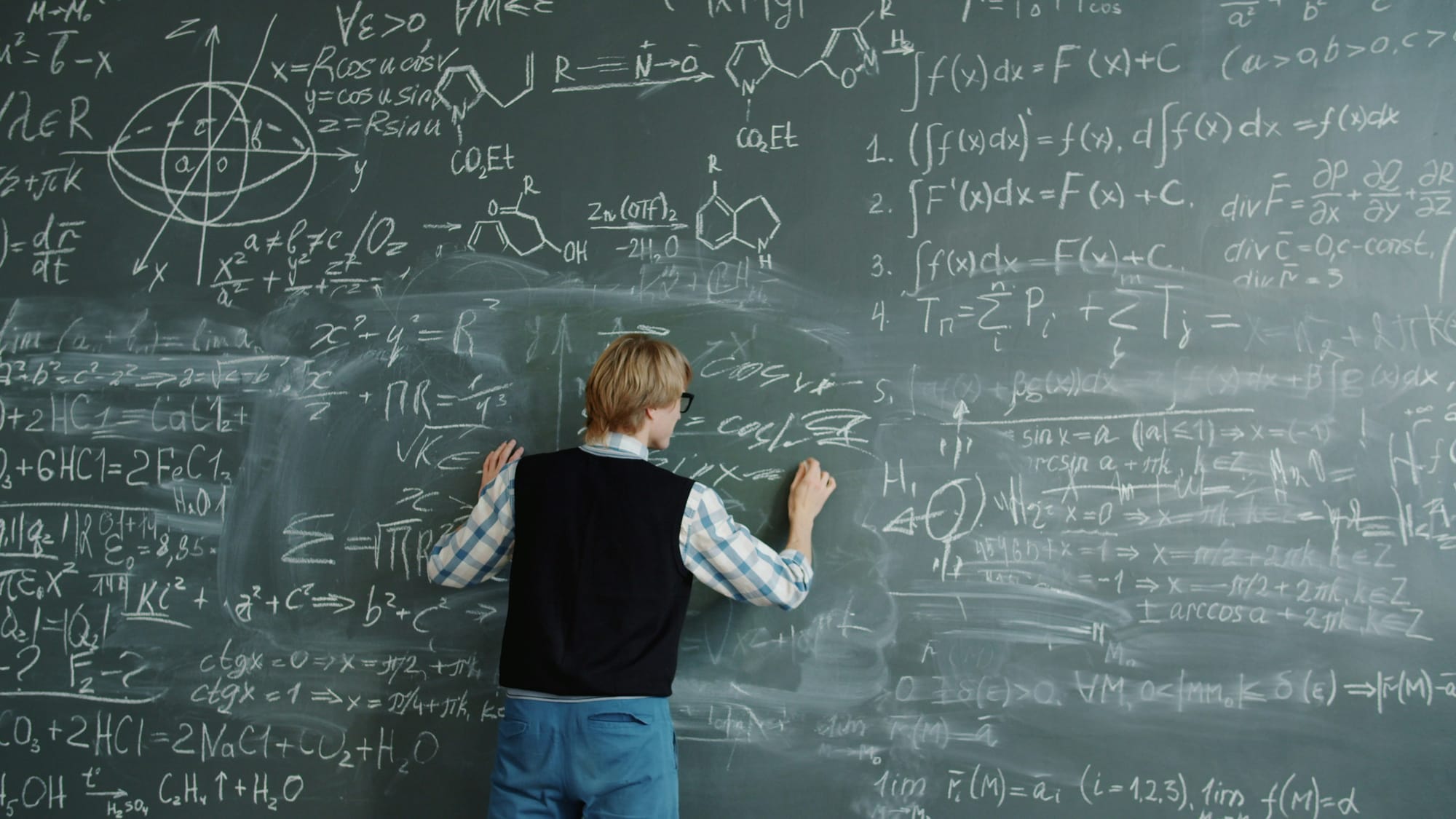
Since October 2025, AI tools have helped transfer approximately 100 Erdős problems into the solved column, according to a record maintained by mathematician Terence Tao, out of the 1,179 conjectures left behind by Paul Erdős. The wave began when Mehtaab Sawhney of Columbia University used ChatGPT to search for references to these problems, and in at least two cases large language models constructed original, valid proofs with minimal human input. Most notably, Erdős Problem #728 became the first problem from the collection regarded as fully resolved autonomously by an AI system—a combination of GPT-5.2 Pro by OpenAI and the Aristotle system by Harmonic.
Sawhney's initial success with Problem #339 led to a collaboration with Mark Sellke, who had left academia to work for OpenAI, resulting in solutions to nine further Erdős problems and partial solutions to eleven more via ChatGPT. On 4 January 2026, Kevin Barreto announced a formal Lean proof of Problem #728, generated by GPT-5.2 Pro and Aristotle; the proof was refined by 6 January 2026, and Terence Tao confirmed its autonomous provenance. Google's Gemini model also contributed by uncovering an offhand remark in a 1981 paper that unknowingly solved Erdős Problem #1089. In parallel, eleven leading mathematicians—including 2014 Fields Medal winner Martin Hairer and Harvard's Lauren Williams—launched the First Proof initiative, posing ten unsolved proof components as a one-week challenge to further test AI's mathematical capabilities.
The resolution of over 100 Erdős problems within months marks a turning point in the relationship between AI and mathematics. Andrew Sutherland of MIT described large language models as now useful research assistants, and several mathematicians predicted that 2026 will be the year AI-contributed proofs first pass peer review in major mathematics journals. The trend is accelerating: Sawhney has taken academic leave from Columbia to join OpenAI, and Carlo Pagano has started a joint position at Google DeepMind, signalling that AI-driven mathematical research is rapidly becoming part of the discipline's mainstream.
Sources:
1.
装飾品を購入する前に、必要な固定具や予備パーツが付属するかも確認しておきましょう。商品仕様や選び方を比べたい場合は、コスプレ アクセサリー セットから関連情報を確認できます。使用前に固定方法を確認し、衣装や肌に負担がかからない状態に調整しておきましょう。
 Joseph Howlett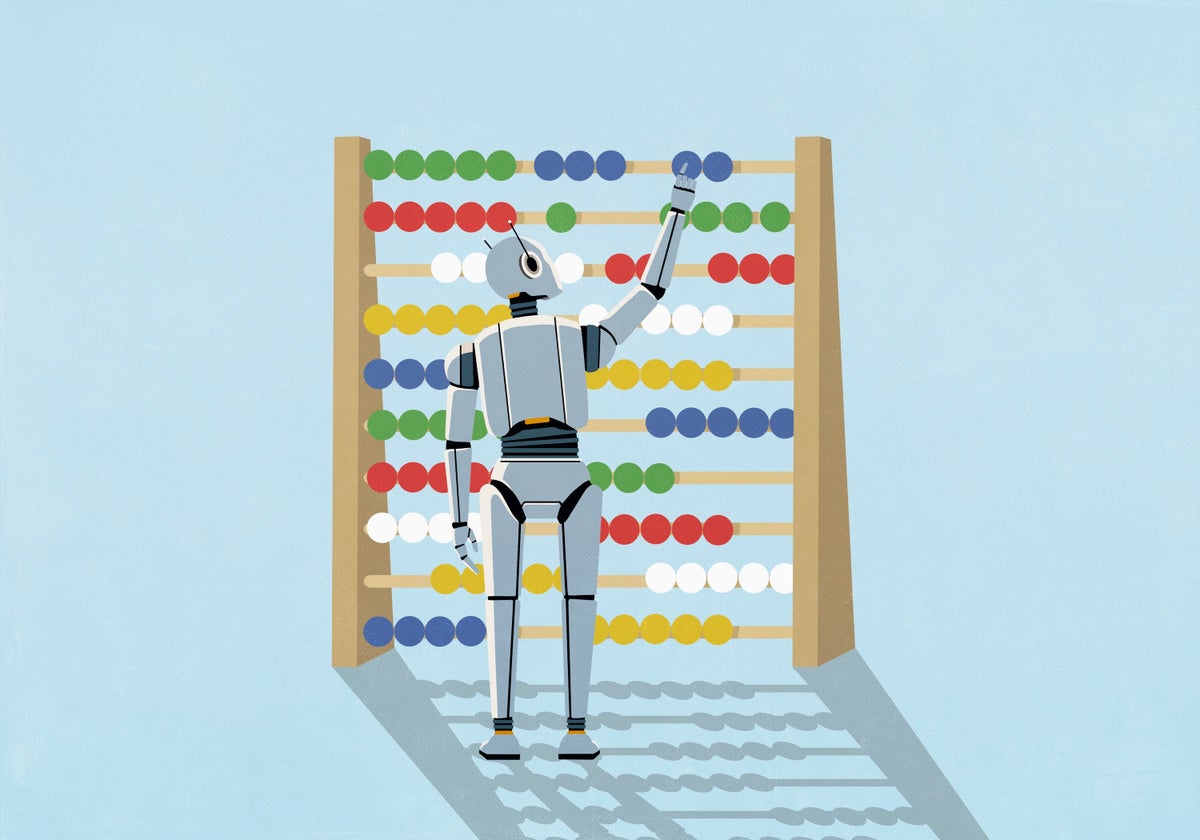
2.
El primer paso consiste en precisar el tipo de corte que resulta más cómodo. La ficha del producto debería permitir revisar el contenido exacto de la variante seleccionada. Para ampliar la información, conviene consultar «tienda en línea de camisetas de fútbol» y identificar los datos relevantes antes de elegir. El último paso es verificar que el corte encaje con el uso previsto.
 David Díaz
3.